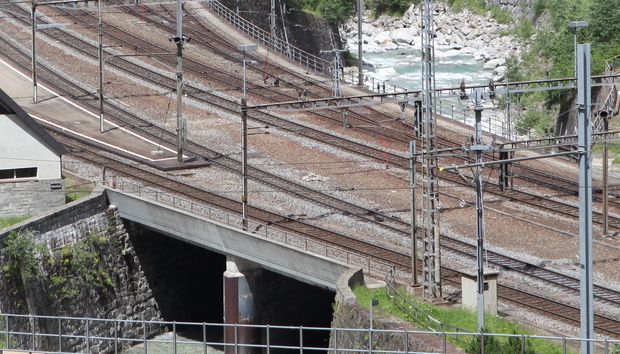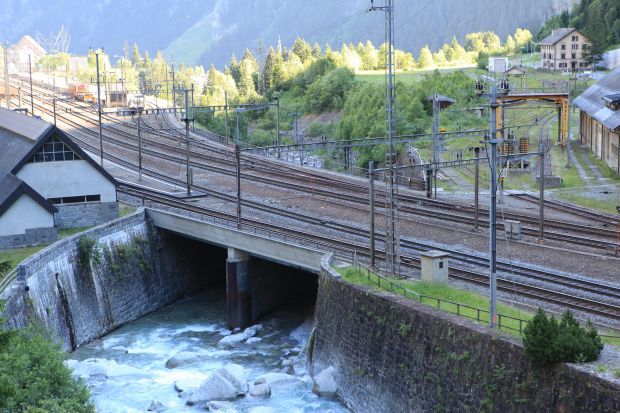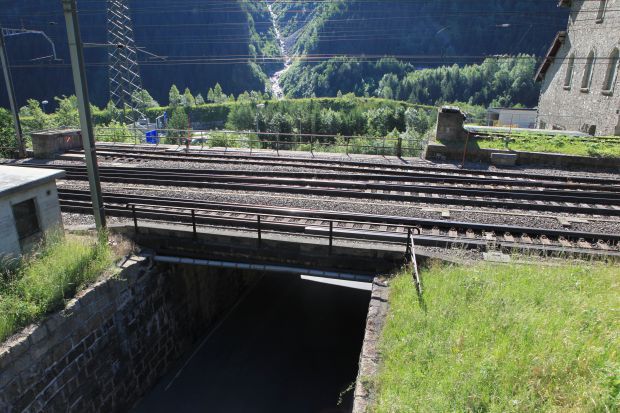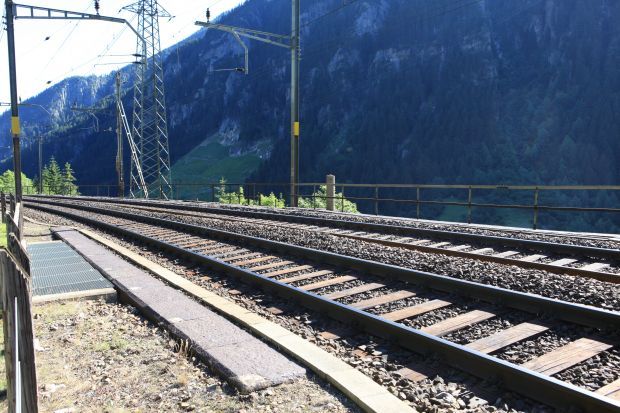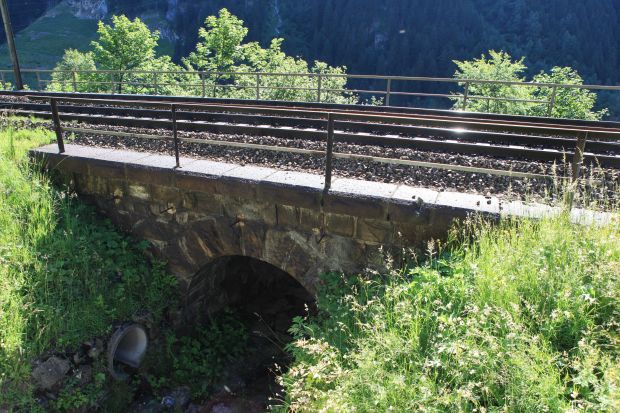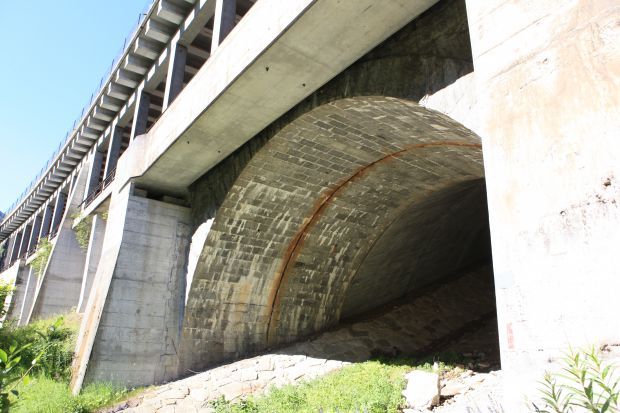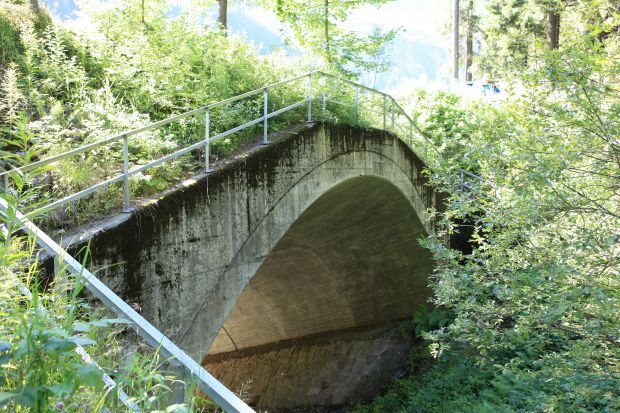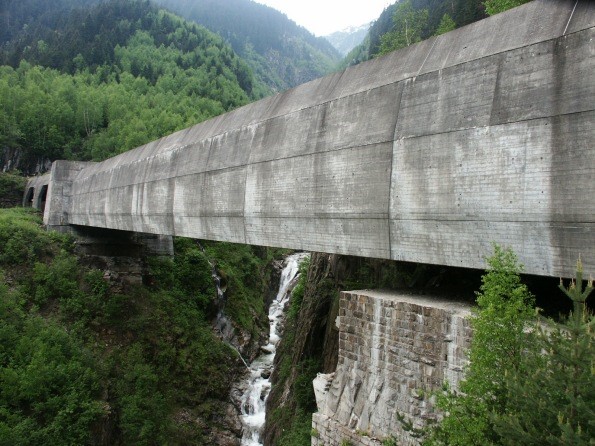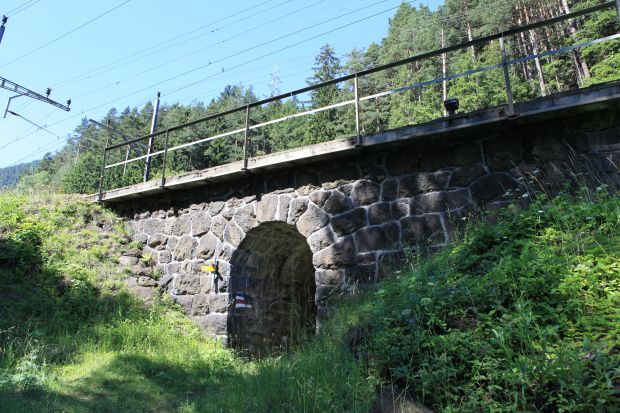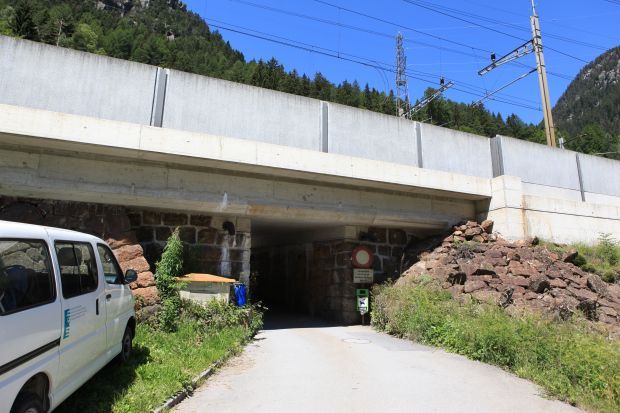
The Gotthard Railway is one of Europe's most significant Alpine railways; since 1882, it has connected Immensee in the Canton of Lucerne with Chiasso in Ticino. The line's northern ramp—running south from Immensee through the Reuss Valley and over the Gotthard Pass—posed a particular challenge: it ascends approximately 500 meters over a distance of about 40 kilometers and required the construction of numerous engineering structures, including bridges, viaducts, and tunnels. Construction of the entire line took place between 1871 and 1882.
History of the Northern Ramp's Construction
The concept of a direct north-south link through the Alps emerged in the 19th century as traffic between Northern and Southern Europe increased. The Gotthard Railway Company was founded in 1871 to plan and build the line. The northern ramp was intended to establish a connection from Central Switzerland to Ticino while overcoming the Alps' topographical obstacles. The route runs from Immensee through the Reuss Valley via Arth-Goldau, continues to Erstfeld, and finally heads south through the Gotthard Railway Tunnel.
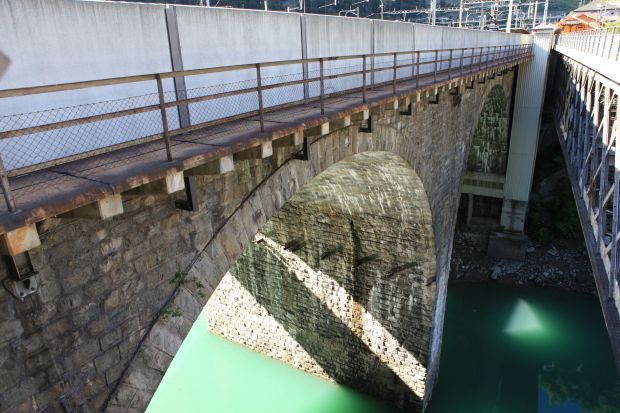
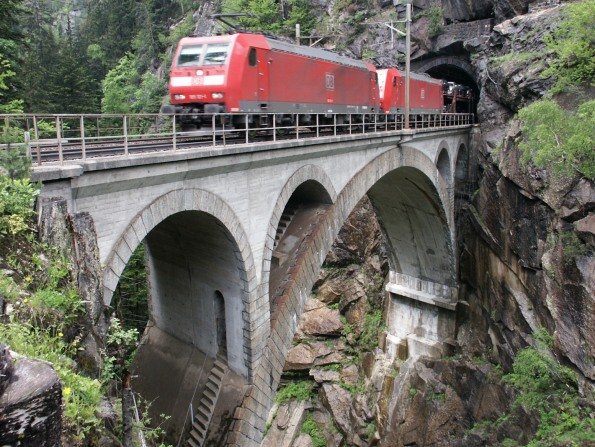
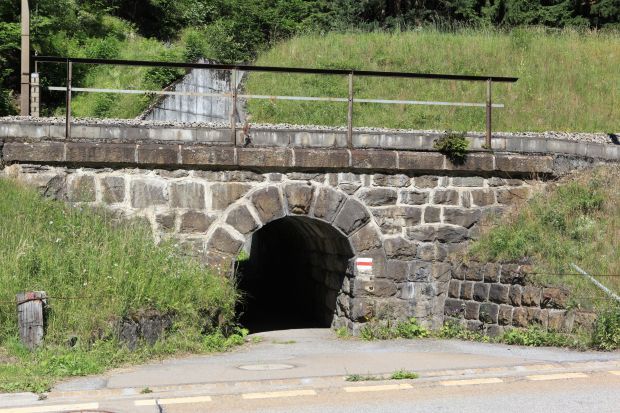
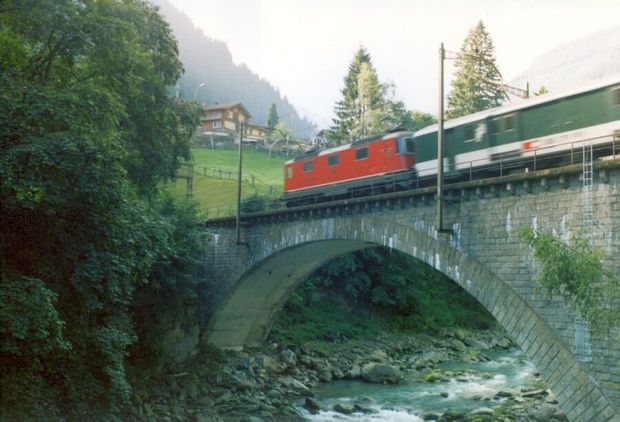
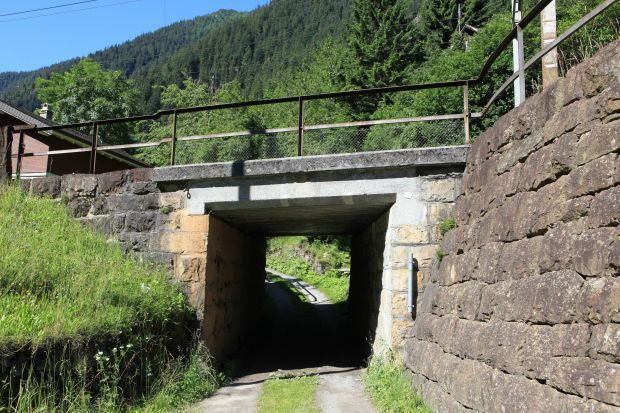
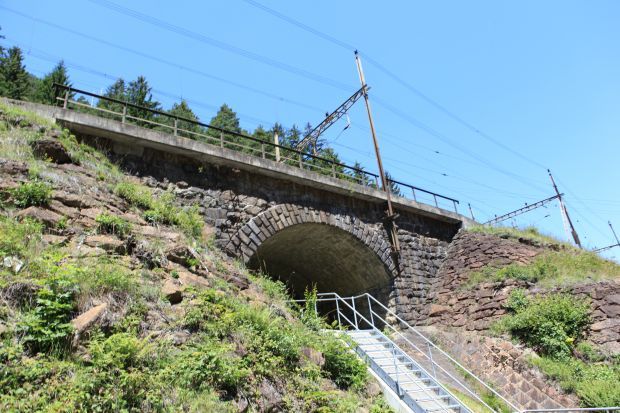
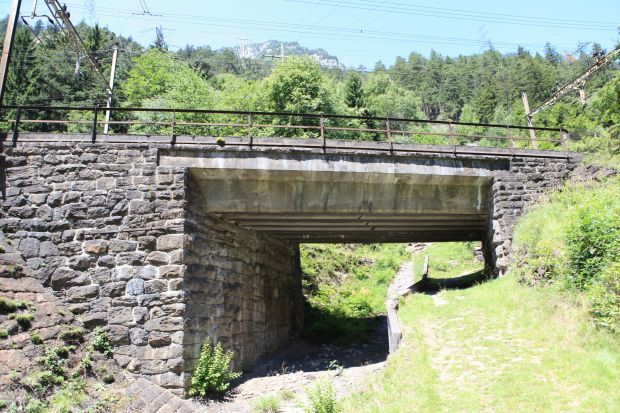
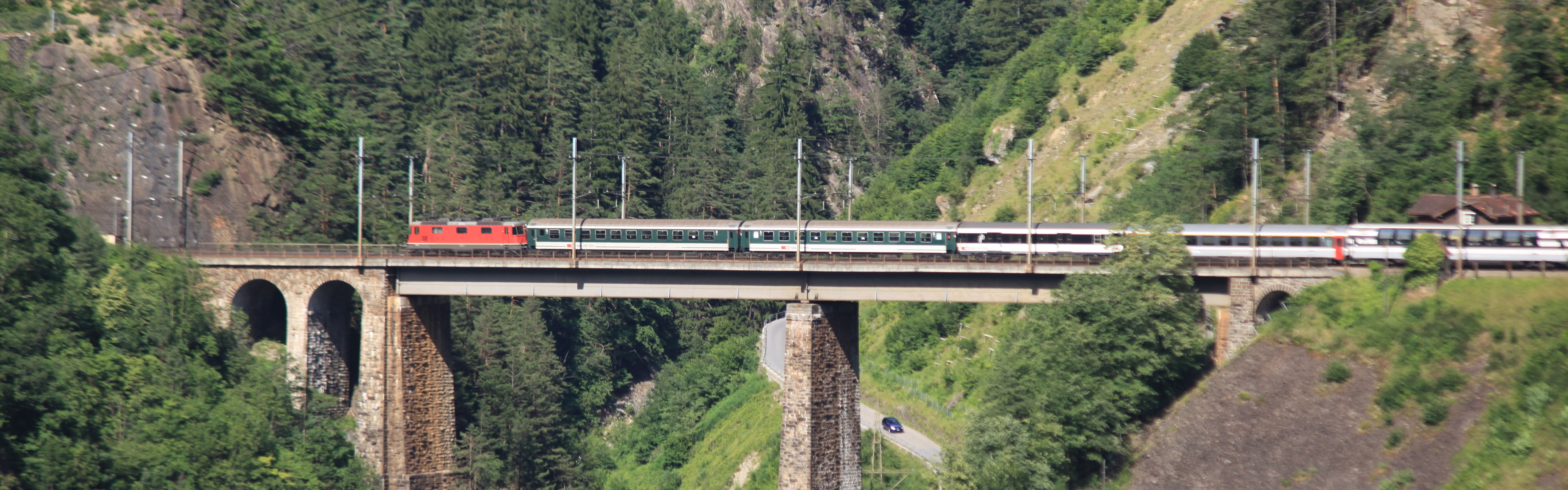
A key feature of the northern ramp is its spectacular bridges and viaducts, erected within narrow valleys and across deep gorges. These structures were not only technically demanding but also left a lasting mark on the character of the railway line.
Construction of the Bridges and Viaducts
Construction of the northern ramp's bridges began in 1881; they are distinguished by their intricate yet robust design. Particularly notable are the steel box-girder bridges, which were initially built for the single-track line and later expanded to accommodate a second track. These bridges had to withstand not only the heavy loads imposed by trains but also the region's unique geological and topographical conditions. On curves, the bridges were designed to safely withstand the centrifugal forces exerted by the trains.
The bridges were often built in stages: initially as single-track structures, then later reinforced or rebuilt to accommodate double-track operations. These modifications were necessary to meet rising traffic demands.
Engineers Involved
The planning and construction of the northern ramp were led by outstanding engineers whose work remains impressive to this day. Key figures included:
Robert Gerwig: As a lead engineer, he played a pivotal role in the construction of the northern ramp and designed several of its distinctive bridges and viaducts. Gerwig had previously worked on the Black Forest Railway and brought that experience to the Gotthard Railway project.
Konrad Wilhelm Hellwag: As one of the lead engineers, he worked closely with Gerwig and was responsible for the execution of these complex structures.
Alfred Escher: Although not directly involved in the construction of the northern ramp, as President of the Gotthard Railway Company, he played a central role in securing financing and driving the project forward politically.
The engineers faced the challenge of designing bridges that were not only technically sound but also aesthetically pleasing. The structures needed to blend harmoniously into the alpine landscape while simultaneously meeting the operational requirements of the railway.