The Lötschberg Railway is one of Switzerland's most significant Alpine railways, connecting Brig in Valais with Thun in the Bernese Oberland since 1913. The line crosses the Lötschberg Pass and is renowned for its spectacular engineering structures, particularly its bridges and tunnels. The railway's construction history is defined by technical challenges, innovative solutions, and the labor of thousands of workers operating under extreme conditions.
Construction History of the Lötschberg Railway
The concept of a direct railway link through the Alps emerged as early as the 19th century. Following lengthy planning and approval phases, construction of the Lötschberg Railway began in 1906 under the direction of the Bern-Lötschberg-Simplon Railway (BLS). The line was designed to handle not only passenger traffic but, above all, the burgeoning freight traffic between Northern and Southern Europe. Construction was completed in 1913, and the line officially opened on July 15 of that year.
A key element of the project was the construction of the Lötschberg Tunnel; at 14.6 kilometers in length, it was one of the longest tunnels in the world at the time. Work on the tunnel proceeded from both ends, with laborers facing difficult geological conditions and high altitudes. Construction costs were immense, and many workers lost their lives or suffered serious health consequences due to landslides, gas explosions, and extreme cold.
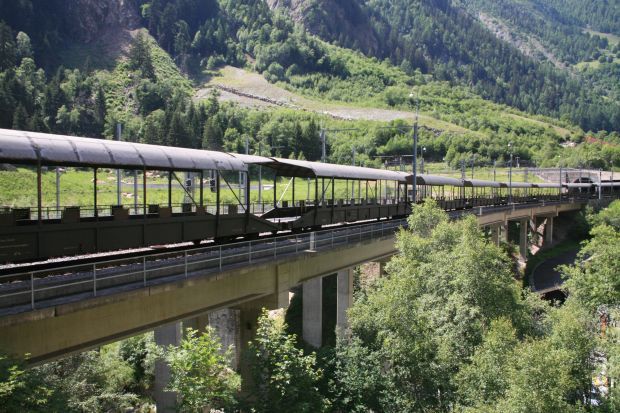
Following its opening, the Lötschberg Railway became a vital transit corridor, particularly for freight transport. Until the opening of the Lötschberg Base Tunnel in 2007, the mountain route served as the primary connection across the Lötschberg. Since then, the majority of traffic has been routed through the base tunnel, while the mountain route is used partly for regional transport and tourism.
The Bridges of the Lötschberg Railway
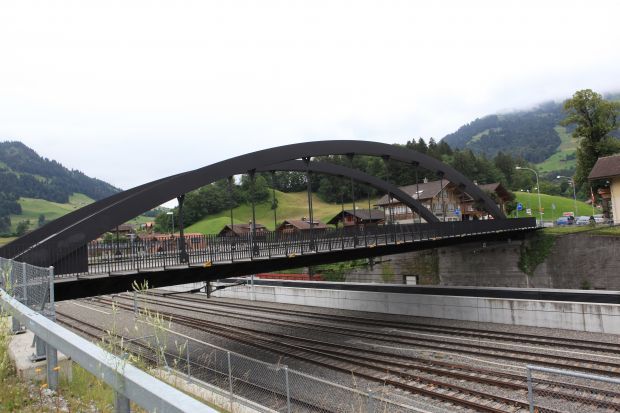
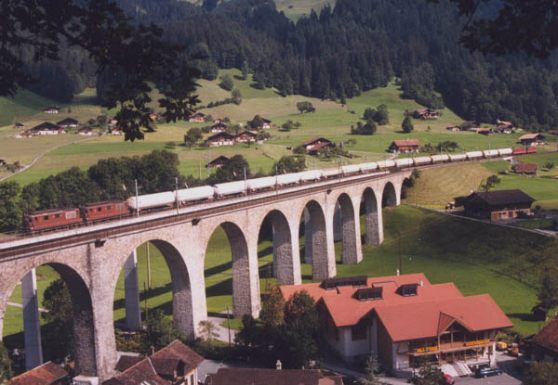
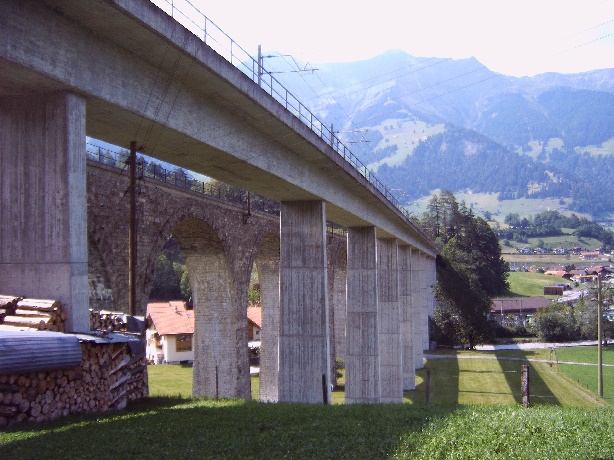
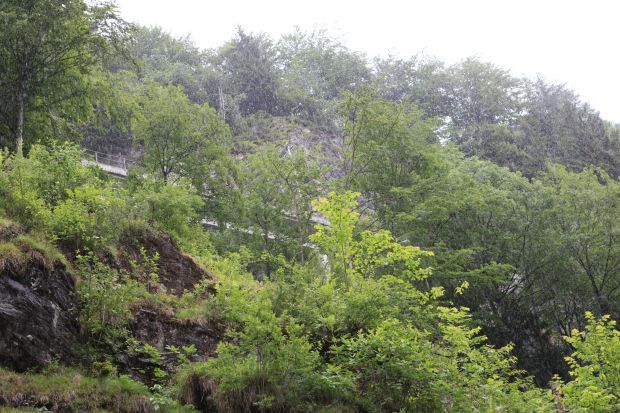
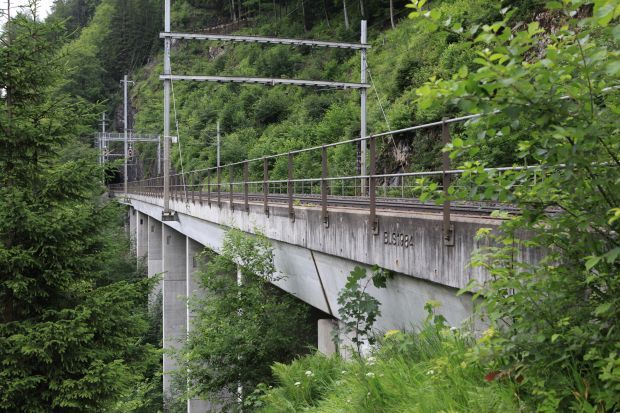
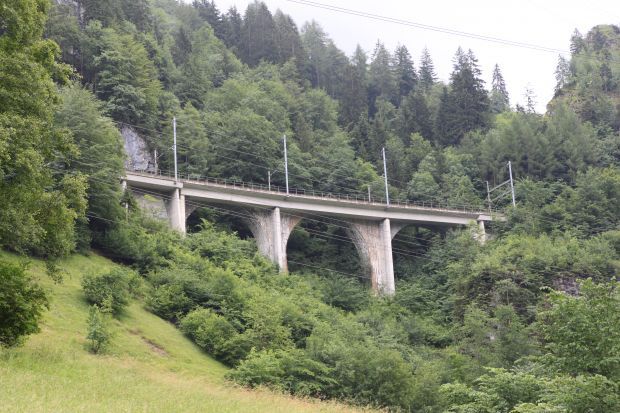
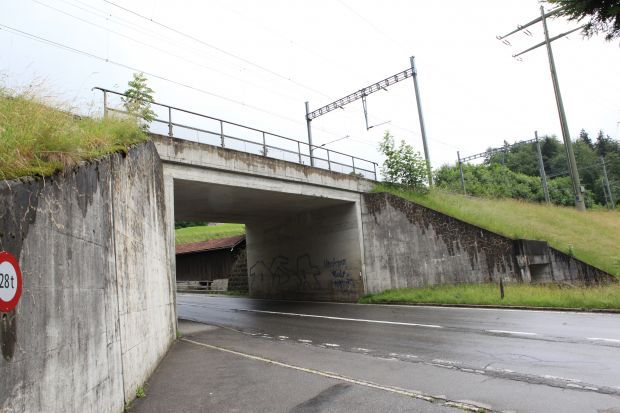
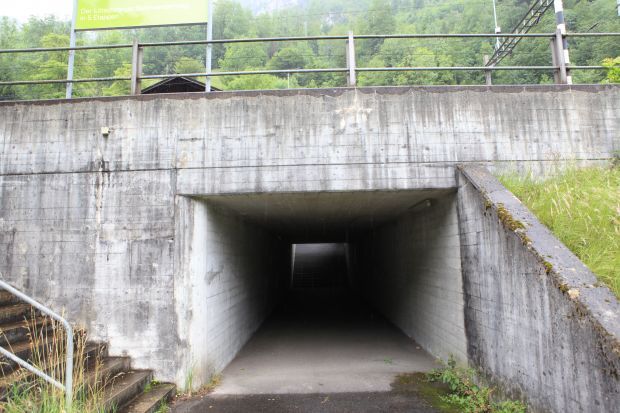
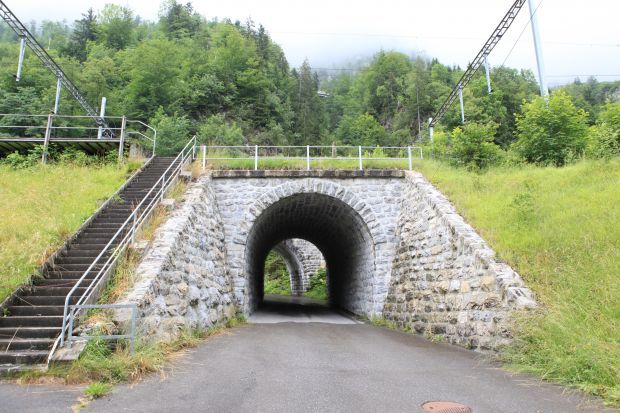
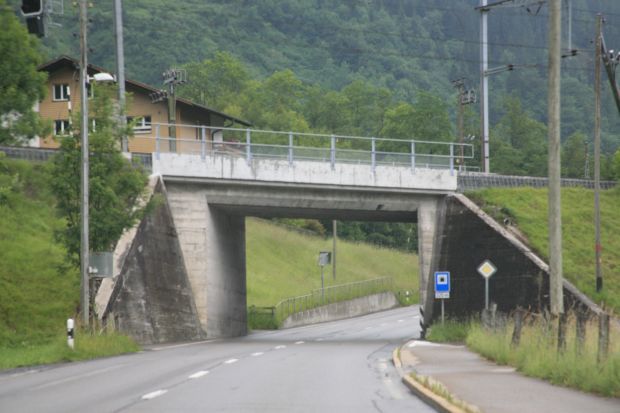
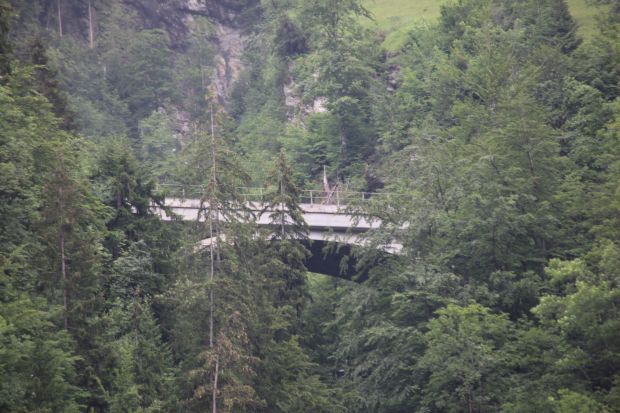
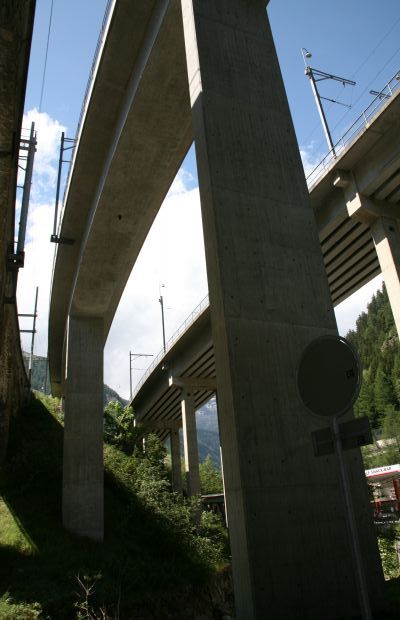
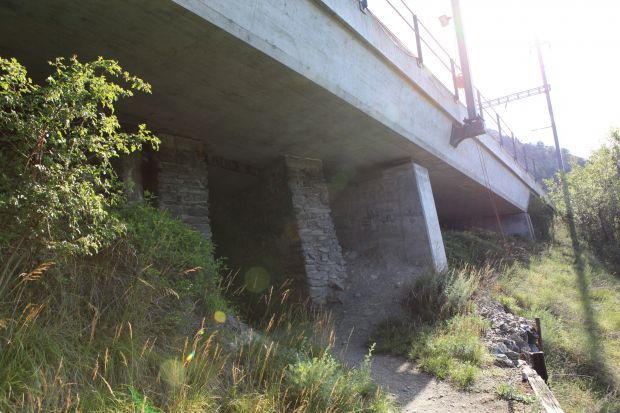
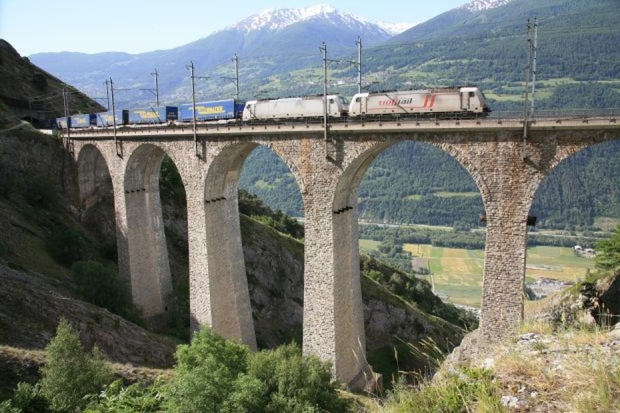
The Lötschberg Railway is famous for its numerous impressive bridges, which not only represent feats of engineering but also define the character of the landscape. The Bietschtal Bridge is the most famous bridge on the Lötschberg Railway; it is located on the southern ramp of the mountain route in the Canton of Valais. It is a double-track railway bridge that spans the Bietsch Valley at an impressive height. Completed in 1913, the bridge exemplifies the advanced reinforced concrete construction methods of that era. It is considered a landmark of the route and is particularly photogenic, set against the backdrop of the alpine landscape.
Narrow-gauge construction railways with a track width of 750 mm were used to build the Lötschberg Railway. These temporary lines served to transport construction materials and workers to remote work sites. They were crucial to the project's success, enabling the supply of the workforce and the removal of excavated material from the tunnels. Near the Bietschtal Bridge, the tunnels from this construction railway route have been opened to hikers and offer magnificent views of the bridge.
Technical and Historical Significance
The bridges of the Lötschberg Railway are not merely transport links but also testaments to early 20th-century engineering. They demonstrate how safe, durable structures could be erected under extreme conditions. Many of these bridges remain in service today and undergo regular maintenance to ensure their continued functionality and safety.
The Lötschberg Railway remains a symbol of Switzerland's progress and innovative spirit. Its bridges and tunnels are not only engineering marvels but also significant cultural and historical monuments that tell the story of Alpine crossings.
The Base Tunnel
At 34.6 kilometers in length, the Lötschberg Base Tunnel is one of the longest railway base tunnels in the world; it was constructed between 1994 and 2007. It traverses the Alps along a low-gradient route, thereby relieving the strain on the Lötschberg Railway's steep mountain line. Since its opening in 2007, the base tunnel has provided a significantly faster and higher-capacity link between Northern and Southern Europe, particularly for freight transport. The maximum permissible speed is 200 km/h. The Lötschberg Base Tunnel initially opened with only a single track, with the second tunnel tube constructed subsequently.
The expansion to two tubes was completed in 2020. Since then, the tunnel has operated with two tracks throughout.
Despite the base tunnel, the historic mountain route remains in use for regional traffic and tourism, as well as for freight trains.